
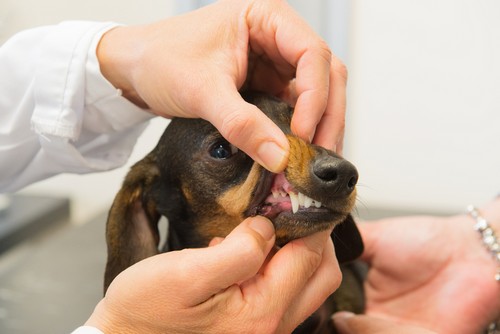
Professional Pet Dental Care in Dedham, MA
Dental disease is the most common health condition affecting dogs and cats — yet it’s one of the most preventable. At Castlerock Veterinary Hospital in Dedham, MA, we provide comprehensive dental care services to keep your pet’s teeth, gums, and oral tissues healthy at every stage of life. Oral health is directly connected to your pet’s heart, liver, kidney, and overall systemic health. Don’t wait until your pet shows signs of pain — call (781) 329-5333 to schedule a dental exam today.
Why Dental Health Is Critical for Pets
Studies show that approximately 80% of dogs and 70% of cats over the age of three suffer from some form of dental disease. Periodontal disease, tooth resorption, fractured teeth, and oral infections don’t just cause pain — they can have serious consequences for your pet’s overall health. Bacteria from infected gums can enter the bloodstream and travel to the heart, liver, and kidneys, contributing to systemic illness that is difficult and expensive to treat.
Many pets are experts at hiding dental pain, which means owners often don’t realize there’s a problem until disease has progressed significantly. That’s why routine dental exams as part of your pet’s annual wellness checkup are so important. Our veterinarian evaluates the teeth, gums, and oral cavity at every visit to catch problems early, when they’re easiest to treat.
Our Dental Care Services at Castlerock Veterinary Hospital
Professional dental cleanings: Just like in human dentistry, professional cleanings are the gold standard for maintaining oral health in pets. We perform thorough cleanings under general anesthesia, which allows us to safely clean below the gumline where bacteria and tartar accumulate most aggressively. During the procedure, we scale and polish all tooth surfaces, probe for periodontal pockets, and assess the oral cavity for any abnormalities.
Digital dental X-rays: Using our advanced digital imaging capabilities, we can evaluate the roots of teeth and the surrounding bone — structures that are invisible to the naked eye. Many serious dental problems, including tooth root abscesses, bone loss, and tooth resorption, are only detectable with dental radiography.
Tooth extractions: When a tooth is too damaged, infected, or diseased to save, extraction is often the most compassionate option. Our team performs extractions carefully and with appropriate pain management to ensure your pet’s comfort and a smooth recovery.
At-home dental care guidance: Professional cleanings are most effective when paired with consistent at-home dental hygiene. Our team will walk you through brushing techniques, dental chews, water additives, and other strategies to reduce plaque buildup between visits.
Signs Your Pet May Need Dental Care
Watch for these warning signs that indicate your pet is due for a dental evaluation: persistent bad breath, yellow or brown tartar buildup on the teeth, swollen or bleeding gums, pawing at the mouth, difficulty eating or dropping food, drooling more than usual, and loose or missing teeth. If you notice any of these symptoms, contact Castlerock Veterinary Hospital at (781) 329-5333 right away — dental problems rarely resolve on their own and often worsen over time.
Dental care is an essential component of our broader preventative care program. By addressing oral health proactively, we can help your pet live a more comfortable, healthier, and longer life. Our Dedham, MA veterinary team is here to help — schedule your pet’s dental exam today.
Frequently Asked Questions — Pet Dental Care
How often should my pet have a professional dental cleaning?
Most dogs and cats benefit from a professional dental cleaning at least once a year, though some pets with a history of dental disease or who are prone to tartar buildup may need cleanings more frequently. Our veterinarian will assess your pet’s oral health during their annual wellness exam and recommend an appropriate cleaning schedule.
Is anesthesia safe for my pet during a dental cleaning?
Yes. General anesthesia is the standard of care for veterinary dental cleanings because it allows us to safely clean below the gumline, take dental X-rays, and thoroughly examine the oral cavity without causing distress to your pet. We perform pre-anesthetic bloodwork and monitor vitals throughout the procedure to ensure safety.
What is periodontal disease and how does it affect pets?
Periodontal disease is an infection of the structures surrounding the teeth — including the gums, ligaments, and bone. It begins with plaque accumulation and progresses to tartar, gingivitis, and eventually destruction of the supporting structures of the teeth. Left untreated, it can cause tooth loss and allow bacteria to enter the bloodstream, affecting the heart, kidneys, and liver.
Can I prevent dental disease in my pet at home?
Yes, daily tooth brushing is the single most effective way to prevent dental disease at home. You can also use dental chews, water additives, and dental diets to help reduce plaque buildup. Our team will show you the best techniques during your pet’s visit. However, at-home care does not replace professional cleanings — both are important for optimal oral health.
My pet has bad breath — is that normal?
Mild odor can be normal, but persistent or foul-smelling breath is typically a sign of dental disease or another underlying medical issue. Bad breath in pets is most commonly caused by bacteria associated with periodontal disease. Schedule a dental exam at Castlerock Veterinary Hospital by calling (781) 329-5333 to find out what’s causing the odor.
At what age should I start dental care for my puppy or kitten?
Dental hygiene habits should begin early. We recommend introducing tooth brushing to puppies and kittens as part of their routine from the time they come home. Early dental care builds good habits and sets the foundation for a lifetime of oral health. Our team can guide you through the process during your puppy or kitten’s first visit.
Does dental disease affect my pet’s overall health, not just their teeth?
Absolutely. Dental disease has systemic consequences. Bacteria from infected gum tissue can enter the bloodstream and cause damage to the heart valves, kidneys, and liver over time. Addressing dental health is one of the most impactful things you can do to support your pet’s long-term overall wellbeing.
