
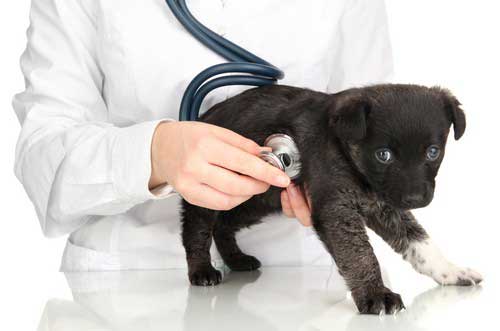
Emergency and Urgent Veterinary Care in Dedham, MA
When your pet is in distress, every minute counts. At Castlerock Veterinary Hospital in Dedham, MA, our experienced veterinary team is trained to respond quickly and effectively to urgent medical situations. From sudden illness and traumatic injuries to toxic ingestion and respiratory distress, we’re equipped to assess, stabilize, and treat your pet when it matters most. If your pet is experiencing an emergency, call (781) 329-5333 immediately so our team can prepare for your arrival.
When to Seek Emergency Veterinary Care
Knowing when a situation requires emergency attention can save your pet’s life. While some signs are obviously urgent, others can be easy to overlook or dismiss. If you observe any of the following in your pet, contact Castlerock Veterinary Hospital at (781) 329-5333 right away or proceed to an emergency facility:
Respiratory distress: Labored breathing, open-mouth breathing in cats, excessive panting, blue or grey gums, or collapse are signs of a life-threatening emergency. These symptoms indicate that your pet’s body is not getting adequate oxygen and require immediate attention.
Trauma: Being hit by a vehicle, falling from height, or any significant physical trauma requires urgent evaluation even if your pet appears to be walking normally. Internal injuries, bleeding, or neurological damage may not be immediately visible.
Toxin ingestion: If you suspect your pet has ingested a toxic substance — including certain plants, human medications, chocolate, xylitol, rodenticides, or household chemicals — contact us immediately. Time is critical with toxin exposure, and early treatment dramatically improves outcomes.
Seizures: A single brief seizure that resolves on its own is concerning but may not be an immediate emergency. However, a seizure lasting more than five minutes, multiple seizures within a short period, or a pet that fails to recover normally after a seizure requires urgent veterinary attention.
Bloat (GDV): Large and deep-chested dogs are at risk for gastric dilatation-volvulus (bloat), a life-threatening emergency in which the stomach fills with gas and twists. Signs include a distended abdomen, unproductive retching, restlessness, and rapid deterioration. This condition is fatal without immediate surgical intervention.
Eye injuries: Eye injuries can escalate rapidly and lead to permanent vision loss. Scratches, sudden cloudiness, prolapsed tissue, or a pet pawing relentlessly at one eye should be evaluated as soon as possible.
Urinary blockage: Male cats in particular are prone to urinary blockages, which are life-threatening if not addressed promptly. Signs include straining to urinate with little or no output, crying out, lethargy, and loss of appetite.
Our Urgent Care Capabilities
Our Dedham, MA facility is equipped to handle a wide range of urgent medical situations in-house. We have digital X-ray and ultrasound imaging on-site to rapidly assess injuries and internal conditions, along with an in-house laboratory for fast bloodwork and urinalysis results. Our team is trained in emergency triage and stabilization, and we will always communicate clearly with you about your pet’s condition and the recommended course of action.
For true life-threatening emergencies outside of our business hours, we will provide referrals to appropriate 24-hour emergency facilities in the greater Dedham area. Our goal is to ensure that your pet gets the right level of care as quickly as possible, regardless of the time of day.
Preparing for a Pet Emergency
We recommend keeping our phone number, (781) 329-5333, saved in your contacts so you can reach us quickly in an emergency situation. Having your pet’s vaccination and medical history accessible is also helpful, though never delay seeking care in order to gather paperwork. If your pet has a known chronic condition or takes regular medications, keeping that information on hand can help our team make faster treatment decisions. The most important step in any emergency is to act immediately — call us first and we will guide you from there.
Frequently Asked Questions — Emergency and Urgent Care
How do I know if my pet’s situation is a true emergency?
When in doubt, call us at (781) 329-5333. Our team can help you assess the urgency of the situation over the phone and guide you on next steps. Signs that almost always require immediate care include difficulty breathing, collapse, seizures, suspected toxin ingestion, severe bleeding, inability to urinate, and significant trauma.
What should I do while transporting my pet to Castlerock Veterinary Hospital during an emergency?
Keep your pet as calm and still as possible during transport. For injured pets, minimize movement to prevent worsening of injuries. If your pet is bleeding, apply gentle pressure with a clean cloth. Call us at (781) 329-5333 on the way so we can prepare for your arrival and have the appropriate team members ready.
Do you treat emergency cases during regular business hours?
Yes. We see urgent and emergency cases during our regular business hours. If you’re experiencing an emergency, please call us immediately at (781) 329-5333 so we can triage your pet’s situation and prepare to see you as quickly as possible.
What happens if my pet has an emergency outside of your business hours?
For emergencies outside of our operating hours, we will provide referrals to 24-hour emergency veterinary facilities in the greater Dedham, MA area. We recommend keeping emergency contact information on hand so you’re never caught unprepared. Your pet’s safety is always the priority.
My pet ate something toxic — what should I do?
Call us immediately at (781) 329-5333. Do not wait for symptoms to appear, as early intervention is significantly more effective with toxin exposure. If possible, note what your pet ingested and approximately how much so our team can advise you on the appropriate treatment approach.
Can I bring my pet in without calling ahead during an emergency?
We strongly recommend calling ahead whenever possible so our team can be prepared for your arrival. However, if you cannot call, come in immediately and alert our front desk staff that you have an emergency. We will triage your pet as quickly as possible.
How will I be kept informed during my pet’s emergency treatment?
We believe in open, honest communication with pet owners throughout the treatment process. Our veterinarian will update you on your pet’s status, explain diagnostic findings, discuss treatment options, and address your questions as soon as it is medically appropriate to do so.
